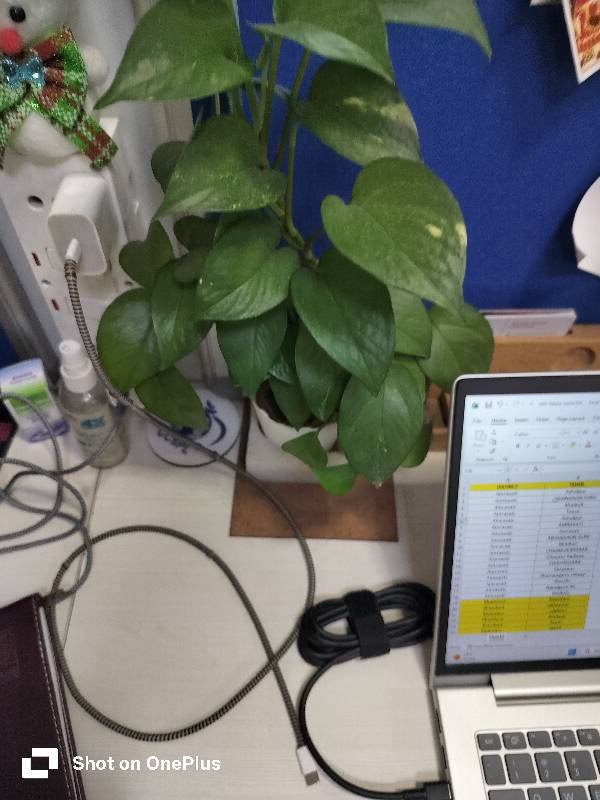
This certified botanical diagnosis report details environmental parameters, pathological observations, and recovery steps for Golden Pothos (Epipremnum aureum).
Growing Golden Pothos?
Get real-time watering reminders, soil chemistry formulation, and instant multi-spectral botanical scans directly on your mobile device!
| Report Category | Identification |
| Primary Diagnosis | Healthy |
| Severity Level | Moderate |
Observed Symptoms
- Slight yellowing/light spots on some leaves
- Possible dust accumulation on foliage
Actionable Protocols
- Gently wipe leaves with damp cloth to remove dust.
- Ensure consistent watering; allow soil to dry between.
- Check for adequate indirect light to maintain variegation.
In-Depth Agronomy Analysis
Plant Health Report: Golden Pothos
Your Golden Pothos (Epipremnum aureum) appears to be in good overall health. This report provides a detailed assessment and comprehensive care guide to ensure its continued vitality.
Current Health Assessment
The plant exhibits strong growth with lush green foliage. Some leaves show characteristic variegation, which is normal for this species. Minor observations include:
- Slight yellowing or lighter spots on a few leaves, which could be natural variegation, minor nutrient imbalance, or a response to light levels.
- Potential dust accumulation on the leaf surfaces, which can hinder photosynthesis.
General Care Guide
Watering
Water thoroughly when the top 2-3 cm of soil feels dry to the touch. Ensure the pot has drainage holes to prevent waterlogging, which can lead to root rot. Reduce watering frequency during winter months.
Light
Golden Pothos thrives in bright, indirect light. Direct sunlight can scorch the leaves, while very low light may cause the variegation to fade and growth to become leggy. An east or north-facing window is often ideal.
Temperature & Humidity
Maintain average room temperatures between 18-29°C (65-85°F). Avoid sudden temperature fluctuations and cold drafts. Pothos appreciates moderate to high humidity, but tolerates average household levels. Misting occasionally or placing near a humidifier can be beneficial.
Soil & Fertilisation
Use a well-draining potting mix, ideally one formulated for houseplants. A mix containing peat moss, perlite, and pine bark works well. Fertilise every 2-4 weeks during the growing season (spring and summer) with a balanced liquid houseplant fertiliser, diluted to half strength. Reduce or stop fertilising in autumn and winter.
Repotting
Repot your Pothos every 1-2 years, or when it becomes root-bound. Choose a pot that is only slightly larger than the current one. Spring is the best time for repotting.
Addressing Observed Symptoms
- Leaf Spots/Discolouration: While some spots are natural variegation, ensure consistent watering and appropriate light. If new spots appear, check for overwatering or nutrient deficiencies.
- Dusty Leaves: Gently wipe the leaves with a soft, damp cloth regularly. This improves the plant’s ability to photosynthesise and keeps it looking vibrant.
Prevention & Ongoing Care Tips
- Regularly inspect your plant for pests like spider mites or mealybugs, especially on the undersides of leaves.
- Rotate the plant periodically to ensure even growth and light exposure.
- Prune leggy stems to encourage bushier growth and propagate cuttings if desired.
- Ensure good air circulation around the plant.
Conclusion
With consistent attention to its basic needs for light, water, and humidity, your Golden Pothos will continue to flourish as a beautiful and resilient houseplant. Enjoy its vibrant foliage!
Growing Golden Pothos?
Get real-time watering reminders, soil chemistry formulation, and instant multi-spectral botanical scans directly on your mobile device!