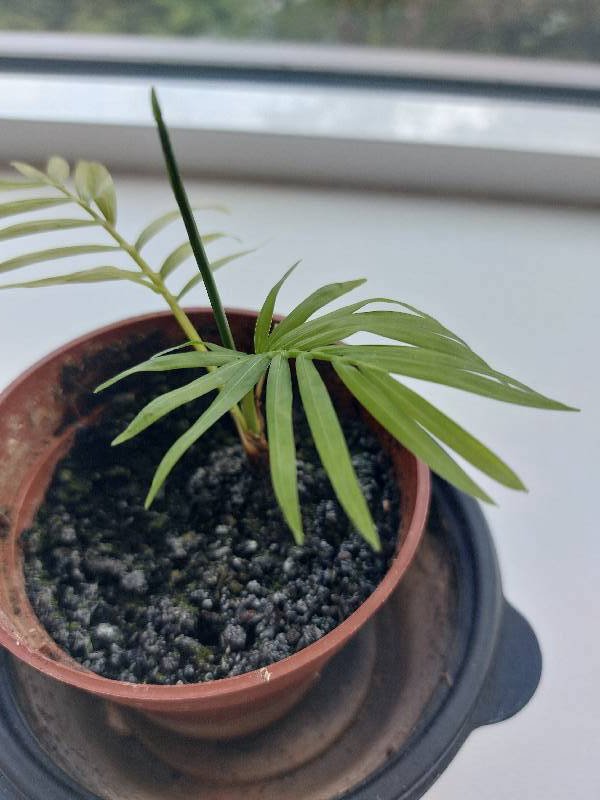
This certified botanical diagnosis report details environmental parameters, pathological observations, and recovery steps for PARLOUR PALM (Chamaedorea elegans).
Growing PARLOUR PALM?
Get real-time watering reminders, soil chemistry formulation, and instant multi-spectral botanical scans directly on your mobile device!
| Report Category | Identification |
| Primary Diagnosis | Healthy |
| Severity Level | Moderate |
Observed Symptoms
- Healthy new spear emerging
- Soil appears somewhat dense
Actionable Protocols
- Ensure pot has drainage holes.
- Consider repotting with airy mix.
In-Depth Agronomy Analysis
Plant Health Report: Parlour Palm (Chamaedorea elegans)
Your Parlour Palm appears to be in excellent health, exhibiting robust new growth. The emerging spear is a positive sign of vitality.
Current Observations
- Healthy, vibrant green foliage.
- A new growth spear is actively developing.
- Soil appears somewhat compact; ensure good drainage.
Essential Care Guide
Watering
Water thoroughly when the top 2.5 cm (1 inch) of soil feels dry to the touch. Allow excess water to drain completely. Overwatering can lead to root rot, so always check soil moisture before watering again. Reduce frequency in winter.
Light
Parlour Palms thrive in bright, indirect light. An east or north-facing window is ideal. Direct sunlight can scorch their delicate leaves, causing them to yellow or brown. They can tolerate lower light conditions but may grow slower.
Temperature & Humidity
Maintain temperatures between 18-24°C (65-75°F). Avoid sudden temperature fluctuations and cold draughts. These palms appreciate higher humidity, so consider misting regularly or placing near a humidifier, especially in dry environments.
Soil & Potting
Use a well-draining potting mix, ideally one formulated for palms or a general houseplant mix amended with perlite or sand for improved drainage. Ensure the pot has adequate drainage holes to prevent waterlogging. Repot only when root-bound, typically every 2-3 years.
Feeding
Fertilise every 2-4 weeks during the growing season (spring and summer) with a balanced liquid houseplant fertiliser diluted to half strength. Do not fertilise in autumn or winter.
Toxicity
Parlour Palms are non-toxic to cats, dogs, and humans, making them a safe choice for homes with pets and children.
Potential Issues & Remedies
- Yellowing Leaves: Often a sign of overwatering or underwatering. Check soil moisture and adjust watering schedule. Can also indicate nutrient deficiency; consider fertilising.
- Brown Leaf Tips: Usually caused by low humidity, fluoride in water, or inconsistent watering. Increase humidity, use filtered water, and maintain a consistent watering routine.
- Pests: Rarely affected, but watch for spider mites or mealybugs. Treat with neem oil or insecticidal soap if detected.
Recovery & Ongoing Care
Continue providing consistent care as outlined above. The new growth indicates a healthy plant. If the soil appears too dense, consider repotting into a better-draining mix during the next growing season. Regularly inspect your palm for any changes to catch potential issues early.
Similar Species
- Areca Palm (Dypsis lutescens)
- Kentia Palm (Howea forsteriana)
Growing PARLOUR PALM?
Get real-time watering reminders, soil chemistry formulation, and instant multi-spectral botanical scans directly on your mobile device!