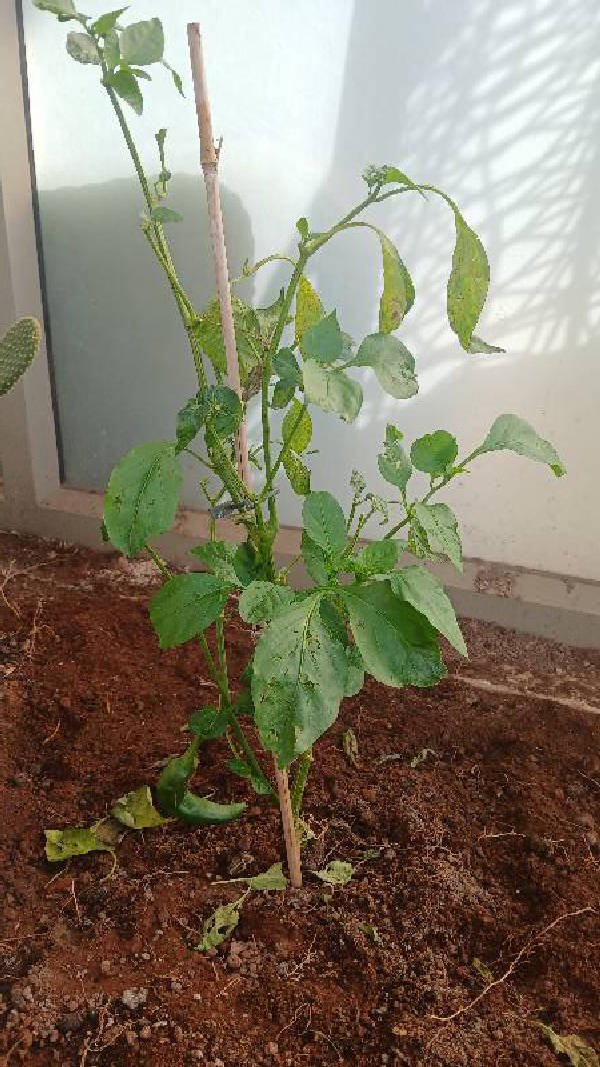
This certified botanical diagnosis report details environmental parameters, pathological observations, and recovery steps for CHILI PEPPER PLANT (Capsicum annuum).
Growing CHILI PEPPER PLANT?
Get real-time watering reminders, soil chemistry formulation, and instant multi-spectral botanical scans directly on your mobile device!
| Report Category | Identification |
| Primary Diagnosis | Leaf Spot |
| Severity Level | Moderate |
Observed Symptoms
- Wilting leaves
- Yellowing foliage
- Stunted growth
Actionable Protocols
- Water thoroughly, ensuring good drainage.
- Fertilize with balanced plant food.
- Ensure sufficient direct sunlight.
- Check for pests or diseases.
In-Depth Agronomy Analysis
Plant Health Report: Chili Pepper Plant
Your chili pepper plant (Capsicum annuum) is showing signs of moderate stress, likely due to environmental factors such as inconsistent watering, nutrient deficiencies, or insufficient light. While not critically ill, addressing these issues promptly will ensure a healthier, more productive plant.
Observed Symptoms
- Wilting or drooping leaves, especially on upper stems.
- Yellowing or pale green discoloration on some foliage.
- Some leaf drop at the base of the plant.
- Overall appearance suggests stunted or slowed growth.
Potential Causes
Based on the symptoms and general appearance, the most probable causes include:
- Inconsistent Watering: Both under-watering (leading to wilting) and over-watering (leading to root issues and yellowing) can cause these symptoms. The soil appears somewhat dry.
- Nutrient Deficiency: Yellowing leaves often indicate a lack of essential nutrients like nitrogen, iron, or magnesium.
- Insufficient Light: Chili peppers are sun-loving plants. Lack of adequate direct sunlight can lead to leggy growth and overall weakness.
- Temperature Stress: Extreme temperatures, especially cold, can cause wilting and leaf discoloration.
- Pest Infestation: While not clearly visible, pests like aphids or spider mites can cause similar symptoms.
Recommended Remedy Steps
- Adjust Watering Schedule: Water deeply when the top 1-2 inches of soil feel dry to the touch. Ensure good drainage to prevent waterlogging.
- Fertilize Appropriately: Apply a balanced, all-purpose fertilizer (e.g., 5-10-10 or 10-10-10) or one specifically formulated for vegetables. Follow package instructions.
- Optimize Light Exposure: Move the plant to a location where it receives at least 6-8 hours of direct sunlight daily.
- Monitor Temperature: Ensure the plant is in a warm environment, ideally between 65-80°F (18-27°C). Protect from sudden temperature drops.
- Inspect for Pests: Carefully examine the undersides of leaves and stems for any signs of pests. If found, treat with an appropriate organic insecticide or neem oil.
- Prune Damaged Leaves: Remove any severely yellowed or damaged leaves to encourage new, healthy growth.
General Care Guidelines for Chili Pepper Plants
Watering
Chili peppers prefer consistently moist, but not waterlogged, soil. Water thoroughly until water drains from the bottom of the pot (if potted) or the soil is deeply saturated. Allow the top inch or two of soil to dry out before watering again. Reduce watering slightly during cooler periods.
Light
These plants are sun-worshippers. They require a minimum of 6-8 hours of direct sunlight per day to thrive and produce fruit. A south-facing window or an outdoor spot with full sun is ideal.
Temperature
Chili peppers are warm-season plants. They perform best in temperatures between 65-80°F (18-27°C). Protect them from frost and prolonged periods below 50°F (10°C), which can stunt growth and reduce fruit production.
Soil
Use well-draining, fertile soil rich in organic matter. A slightly acidic to neutral pH (6.0-7.0) is ideal. If planting in the ground, amend heavy clay soils with compost to improve drainage.
Fertilization
Start with a balanced fertilizer when the plant is young. Once flowering begins, switch to a fertilizer higher in phosphorus and potassium to encourage fruit development. Follow product instructions carefully to avoid over-fertilization.
Pest and Disease Management
Common pests include aphids, spider mites, and whiteflies. Inspect regularly and treat with insecticidal soap or neem oil if necessary. Ensure good air circulation to prevent fungal diseases like powdery mildew.
Prognosis
With proper adjustments to its care routine, your chili pepper plant has a good chance of recovery and should begin to show new, healthy growth within a few weeks. Consistent care is key to a bountiful harvest.
Growing CHILI PEPPER PLANT?
Get real-time watering reminders, soil chemistry formulation, and instant multi-spectral botanical scans directly on your mobile device!