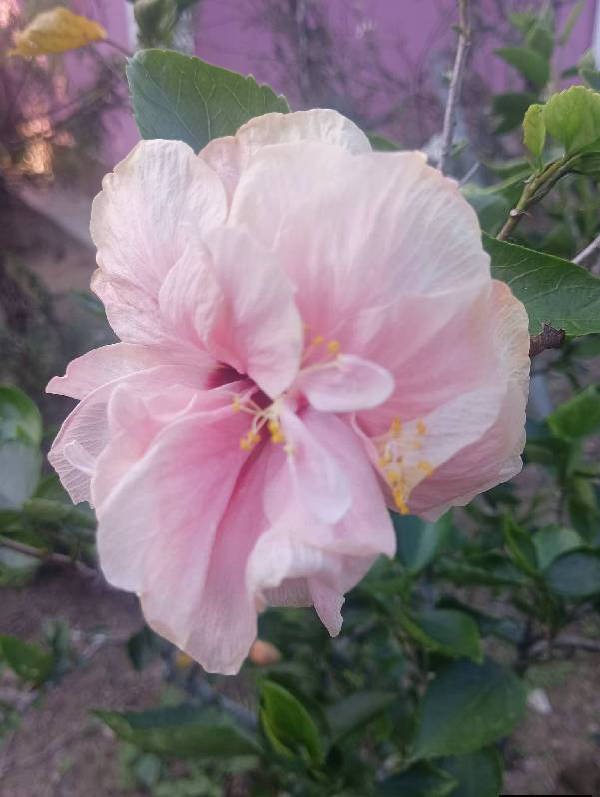
This certified botanical diagnosis report details environmental parameters, pathological observations, and recovery steps for COMMON HIBISCUS (Hibiscus rosa-sinensis).
Growing COMMON HIBISCUS?
Get real-time watering reminders, soil chemistry formulation, and instant multi-spectral botanical scans directly on your mobile device!
| Report Category | Identification |
| Primary Diagnosis | Healthy |
| Severity Level | Moderate |
Observed Symptoms
- Slightly yellowing leaves
Actionable Protocols
- Check soil moisture; adjust watering schedule.
- Fertilize with balanced plant food.
In-Depth Agronomy Analysis
Plant Health Report: Common Hibiscus
Your Common Hibiscus appears to be in good overall health, displaying a beautiful, vibrant flower. However, a minor observation of slight leaf yellowing suggests there might be a small underlying issue that can be easily addressed.
Symptoms Observed
- Slight yellowing on some older leaves.
Diagnosis
Yellowing leaves on a hibiscus can be attributed to several factors, including:
- Watering Issues: Both overwatering (leading to root rot) and underwatering (causing stress) can result in yellow leaves.
- Nutrient Deficiency: Lack of essential nutrients, especially nitrogen or iron, can cause chlorosis (yellowing).
- Light Conditions: Insufficient light can also lead to pale or yellowing foliage.
- Pests: While not evident in the image, pests like spider mites or aphids can cause leaf discoloration.
Recommended Care for Common Hibiscus
Watering
Common Hibiscus prefers consistently moist soil. Water deeply when the top inch of soil feels dry to the touch. Ensure good drainage to prevent waterlogging, which can lead to root rot. Reduce watering slightly in cooler months.
Light
Provide your hibiscus with plenty of bright light. Full sun (at least 6 hours of direct sunlight per day) is ideal for abundant blooming. It can tolerate partial shade, especially in very hot climates, but flowering may be reduced.
Temperature & Humidity
These tropical plants thrive in warm temperatures, ideally between 60-90°F (15-32°C). Protect them from frost, as they are not cold-hardy. They appreciate high humidity, so consider misting or placing a pebble tray nearby if your environment is dry.
Fertilizing
During the active growing season (spring through fall), feed your hibiscus every 2-4 weeks with a balanced fertilizer high in potassium and phosphorus to encourage flowering. A slow-release granular fertilizer or liquid feed works well. Reduce feeding in winter.
Pruning
Prune your hibiscus in late winter or early spring to maintain shape, encourage bushiness, and promote more blooms. Remove any dead, damaged, or crossing branches. Light deadheading of spent flowers can also encourage new blooms.
Pest and Disease Management
Keep an eye out for common pests like aphids, spider mites, whiteflies, and mealybugs. Treat infestations promptly with insecticidal soap or neem oil. Ensure good air circulation to prevent fungal diseases.
Remedy Steps for Yellowing Leaves
- Assess Watering: Check the soil moisture regularly. If it’s too wet, allow it to dry out slightly between waterings. If too dry, increase frequency.
- Fertilize: Apply a balanced, slow-release fertilizer or a liquid feed rich in micronutrients to address potential deficiencies.
- Check Light: Ensure the plant is receiving adequate bright light. Move it to a sunnier spot if necessary.
- Inspect for Pests: Carefully examine the undersides of leaves and stems for any signs of pests. Treat if found.
Toxicity Information
Common Hibiscus (Hibiscus rosa-sinensis) is generally considered mildly toxic to pets if ingested, potentially causing mild gastrointestinal upset. It is non-toxic to humans.
Conclusion
By following these care guidelines and addressing the minor yellowing promptly, your Common Hibiscus should continue to thrive and produce beautiful blooms. Consistent care is key to a healthy and happy plant!
Growing COMMON HIBISCUS?
Get real-time watering reminders, soil chemistry formulation, and instant multi-spectral botanical scans directly on your mobile device!