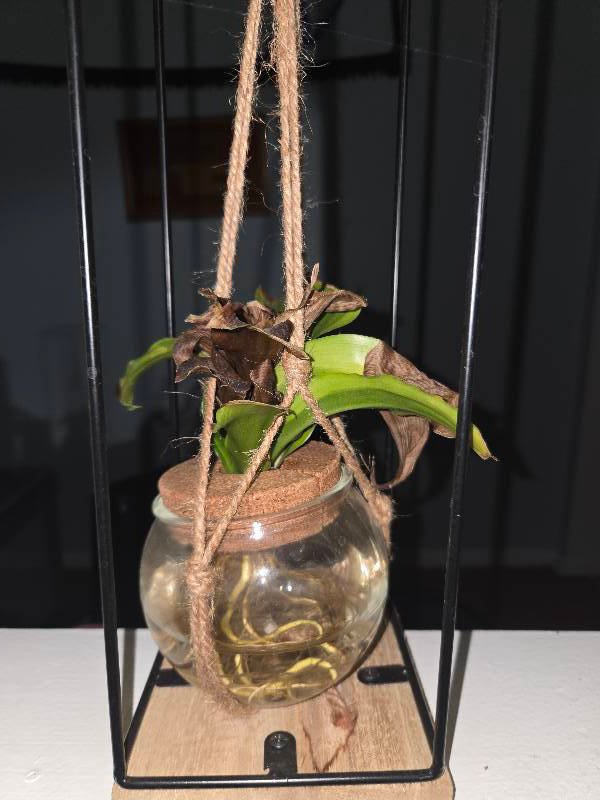
This certified botanical diagnosis report details environmental parameters, pathological observations, and recovery steps for DRACAENA PLANT (Dracaena).
Growing DRACAENA PLANT?
Get real-time watering reminders, soil chemistry formulation, and instant multi-spectral botanical scans directly on your mobile device!
| Report Category | Identification |
| Primary Diagnosis | Root Rot |
| Severity Level | Moderate |
Observed Symptoms
- Brown, crispy leaf tips and edges
- Shriveled, dying leaves
- Stunted growth
- Possible root issues in water
Actionable Protocols
- Immediately move to a warm, stable environment.
- Trim all dead or severely damaged leaves.
- Change water, inspect roots, use filtered water.
- Provide bright, indirect light; avoid direct sun.
- Pot in well-draining soil when roots are robust.
In-Depth Agronomy Analysis
Plant Health Report: Dracaena Plant
Your Dracaena plant is showing significant signs of distress, primarily due to exposure to extremely cold temperatures and potential issues with its water propagation environment. The current temperature of 30°F is lethal for this tropical plant.
Symptoms Observed
- Brown, Crispy Leaf Tips and Edges: A clear indicator of cold damage and possibly low humidity or inconsistent watering.
- Shriveled, Dying Leaves: Many leaves are completely brown and shriveled, indicating severe stress and tissue death.
- Stunted Growth: The plant appears to be struggling to produce new, healthy foliage.
- Possible Root Issues: The water in the jar appears murky, and roots may be stressed or rotting if not regularly changed.
Immediate Remedy Steps
- Relocate Immediately: Move your Dracaena to a warm indoor environment where temperatures are consistently above 65°F (18°C).
- Prune Damaged Foliage: Carefully trim off all completely brown, crispy, or shriveled leaves using clean, sharp scissors. This helps the plant focus energy on new growth.
- Refresh Water & Inspect Roots: Change the water in the jar with fresh, filtered, room-temperature water. Inspect the roots for any signs of rot (mushy, black roots). If rot is present, gently trim affected roots.
- Provide Bright, Indirect Light: Place the plant in a location that receives plenty of bright, indirect sunlight. Avoid direct sun, which can scorch damaged leaves.
- Consider Potting: Once the plant shows signs of recovery and has robust roots (at least 1-2 inches long), consider potting it in a well-draining potting mix.
Long-Term Care Guide for Dracaena
Water
If propagating in water, change the water weekly to prevent bacterial growth and replenish nutrients. If potted, water thoroughly when the top 1-2 inches of soil feel dry. Ensure good drainage to prevent root rot. Dracaenas are sensitive to fluoride and chlorine, so use filtered or distilled water if possible.
Light
Dracaenas thrive in bright, indirect light. Direct sunlight can scorch their leaves, while too little light can lead to leggy growth and dull foliage. An east or north-facing window is often ideal.
Temperature
These tropical plants prefer warm temperatures between 65-80°F (18-27°C). They are very sensitive to cold and drafts. Keep them away from windows during winter months, air conditioning vents, and exterior doors.
Humidity
Dracaenas appreciate moderate to high humidity. Brown leaf tips can sometimes indicate low humidity. You can increase humidity by misting regularly, using a pebble tray, or placing the plant near a humidifier.
Soil (if potted)
Use a well-draining potting mix, ideally one formulated for houseplants or a mix of peat moss, perlite, and pine bark. Good drainage is crucial to prevent waterlogging.
Fertilization (if potted)
Feed your Dracaena with a balanced liquid houseplant fertilizer diluted to half strength every 2-4 weeks during the growing season (spring and summer). Reduce or stop fertilization during fall and winter.
Toxicity Warning
Dracaena plants are mildly toxic to pets (cats and dogs) if ingested, causing symptoms like vomiting, drooling, and weakness. Keep them out of reach of curious animals.
Prevention
- Always monitor indoor temperatures, especially during extreme weather.
- Ensure consistent watering practices, whether in water or soil.
- Provide adequate light and humidity to prevent stress.
- Regularly inspect your plant for any early signs of pests or diseases.
Growing DRACAENA PLANT?
Get real-time watering reminders, soil chemistry formulation, and instant multi-spectral botanical scans directly on your mobile device!